2026 – Pilot Projects to Scalable Systems
2026 is the year emerging markets must rethink Waste, Energy, and Urban Growth.
The start of a new year is more than a reset—it’s a moment to decide what we do differently.
As 2026 begins, emerging markets stand at a defining crossroads. Urban populations are expanding rapidly, energy demand continues to rise, and waste volumes are growing faster than infrastructure can manage. These pressures are not new, but the consequences of inaction are becoming harder to ignore.
This year, the conversation must shift from managing symptoms to solving root causes.
For too long, waste has been treated as a downstream problem—something to collect, dump, or burn out of sight. At the same time, energy planning has focused on adding capacity without fully addressing reliability, affordability, or environmental impact. In reality, these challenges are deeply connected.
That connection is where waste-to-energy (WTE) becomes increasingly relevant.
Why 2026 Feels Different
What makes this year distinct is not technology—it’s urgency.
Cities are running out of landfill space.
Methane emissions from waste are now recognised as a major climate risk.
Power grids are under strain from growing demand and aging infrastructure.
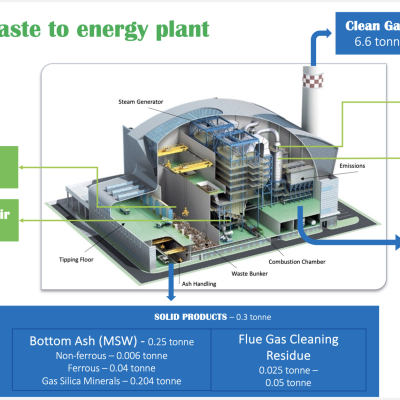
WTE directly addresses all three. It reduces landfill dependency, cuts methane at the source, and produces reliable, base-load power that complements solar and wind. It is not a silver bullet, but it is a proven, practical tool that many emerging markets can no longer afford to overlook.
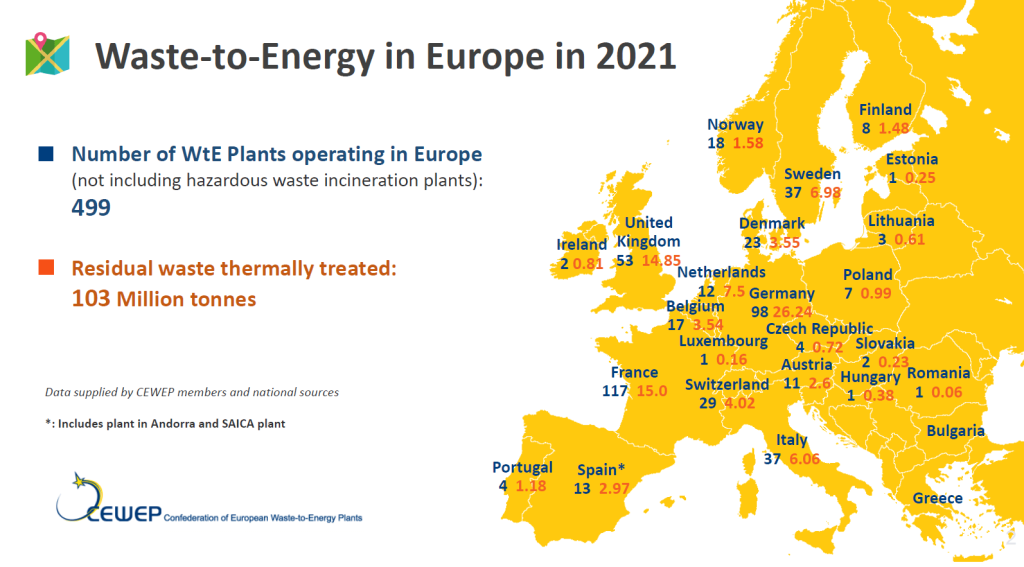
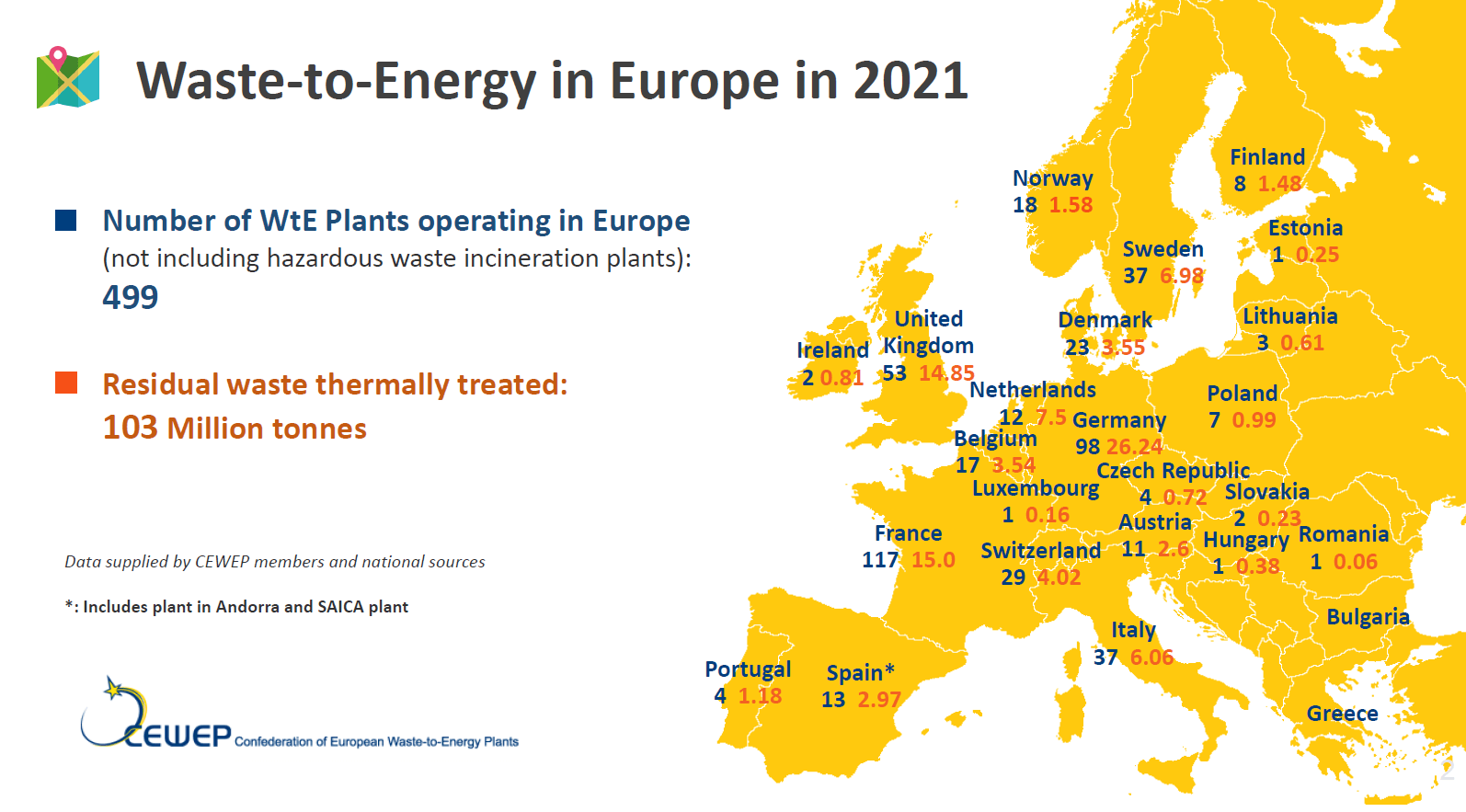
CEWEP EU Map for WTE 2021
From Pilot Projects to Scalable Systems
One of the biggest shifts needed in 2026 is moving beyond isolated pilot projects.
WTE works best when it is part of a wider urban system—linked to waste collection reform, recycling strategies, grid planning, and long-term policy support. Cities that succeed are those that plan WTE not as a standalone facility, but as core infrastructure, much like water treatment or power generation.
This requires collaboration:
- Governments setting clear, stable frameworks
- Developers delivering bankable, right-sized solutions
- Communities being engaged early and transparently
When these elements align, WTE stops being controversial and starts being transformative.
A Practical Path Forward
2026 should be the year emerging markets focus on implementation over intention.
That means:
- Prioritising waste reduction and recycling alongside energy recovery
- Choosing proven technologies suited to local waste composition
- Planning projects that are financially viable, environmentally sound, and socially accepted
Most importantly, it means recognising that waste is no longer something cities can afford to ignore or postpone. It is an untapped resource—one that can support cleaner cities, stronger energy systems, and more resilient economies.
Looking Ahead
The question for 2026 is no longer “Is waste-to-energy right for emerging markets?”
The real question is “How quickly can it be done well?”
This year offers an opportunity to move from discussion to delivery. The cities that act decisively will not only solve today’s waste problems—they will define the next generation of sustainable urban growth.
Here’s to a year of smarter choices, practical solutions, and real progress.